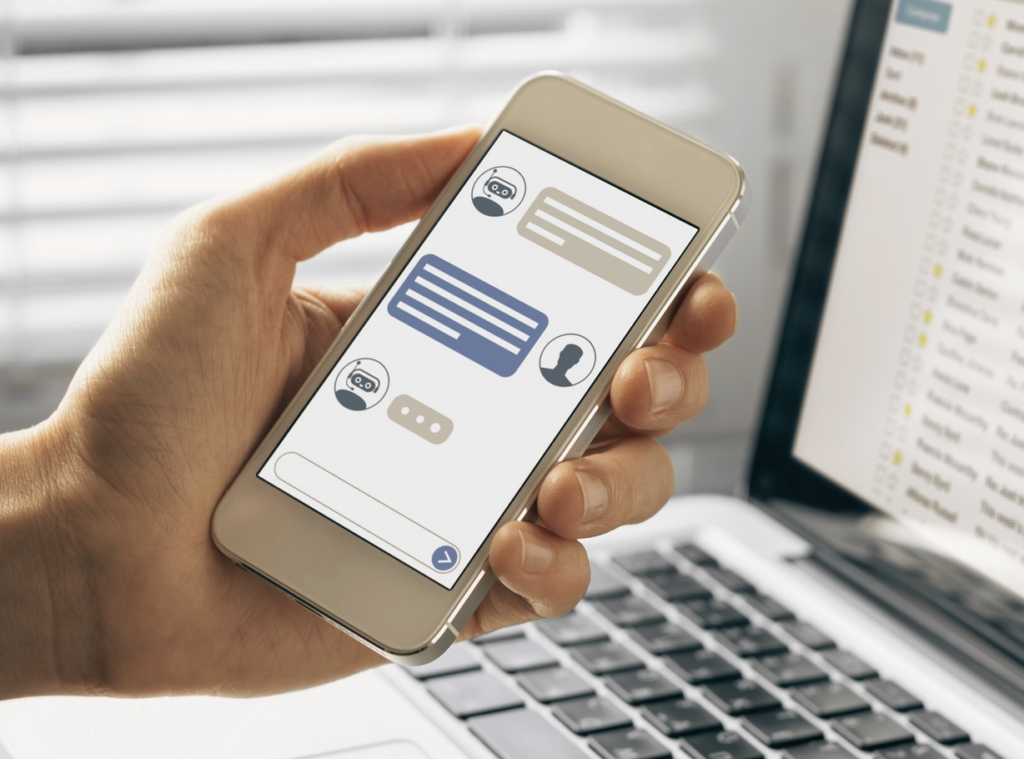
Every Montessori school leader knows the feeling: it’s 4:45pm on a Friday, the front office phone won’t stop ringing, and half the calls are the same question asked six different ways. What are your hours during winter break? Do you offer before or after school care? How much is tuition?
An AI chatbot on your website can answer questions like these instantly, at any hour, without pulling a staff member away from a parent conversation, a classroom observation, or the dozen other things a small school’s admissions or communications team is already juggling. That’s a real, practical benefit, and it’s worth taking seriously.
Before you add one to your website, here are seven questions worth sitting with.
1. What are we actually asking the AI Chatbot to do?
Sort your common inquiries into two piles. Pile one is logistics: tuition ranges, calendar dates, tour scheduling. Factual, repeatable, well-suited to a bot. Pile two is relational: “Is Montessori right for my sensitive child?” These deserve a human who can hear the family’s specific situation, not a generic answer.
This is also where the real savings live. Savings come from pile one. If you’re hoping a bot cuts costs by absorbing pile two too, be honest about the trade: a few minutes saved today, against a family who never felt heard.
2. Will the AI Chatbot represent our approach to Montessori accurately?
Families researching schools are often trying to determine what makes your school different and what Montessori is.
If a chatbot pulls from generic training instead of your own content and materials, it may misstate your schools’ approach to Montessori with generic information found online. Any tool you use should draw only from content your school has written and approved.
3. Does the AI Chatbot protect the first impression of your school?
For many families, the chatbot is their first contact with your school. This is before they have reviewed your website, and before a tour or open house. It’s part of your prepared environment, and should feel like an extension of it, not a generic pop-up bolted onto your homepage.
That means tone matters as much as accuracy. And it should know when to step back. The best chatbots are quick to say “That’s a great question for our admissions director. Here is how to reach her”, rather than pretending to sound like you.
4. Does the AI Chatbot know when to redirect the conversation to a staff member?
Ask any vendor directly: what happens when a family asks something the bot shouldn’t answer alone? Certain situations like, financial aid, a child’s learning difference, a difficult family situation, need a warm, fast handoff to a real person.
A bot that dead-ends with “I don’t have that information” is a poor service. A fast, vague answer has the potential to push potential families away from your school.
5. Can the AI Chatbot meet our families where they are, including families who don't speak English at home?
If your community includes multilingual families, ask whether the chatbot can hold a real conversation in the languages your families actually use, not just translate a few stock phrases. A tool that only functions well in English can become one more barrier for the families who most need clear, accessible information.
6. Who is going to oversee the AI Chatbot's results, and how often?
A chatbot requires to be observed constantly. Someone on your team needs to regularly review what families are actually asking, where the bot is giving weak or outdated answers, and where your website itself is missing information families clearly want.
If the chatbot gets switched on and then left alone, it will most likely create new problems for you, rather than solve existing gaps. Ask the vendor what reporting or transcript access you’ll actually have, and be determine who on staff will be responsible to review it monthly.
7. What does adding an AI Chatbot say about who we are?
Picture a parent visiting your site for the first time. If the bot handles logistics quickly, then hands off to a staff member at the moment things get specific to their child, the parent walks away thinking your school is organized and cares. If it’s unhelpful and providing inaccurate information, prospective parents walk away thinking you don’t have the time for them.
Used well, a chatbot supports the individualized attention Montessori is built on. Used poorly, it tells families cost savings come first before quality and care for families.
Final Thoughts
There’s no universal answer here. Whether a chatbot is right for your school depends on your community, your staffing, and how your families actually search for information, not on what worked for the school down the road.
Take the time to look into it properly: talk to other Montessori school owners who’ve actually used one, ask what surprised them, and don’t skip the questions about data privacy, especially around what happens to the personal information families share in a chat window.
The right decision is the one that fits your school, made with eyes open.
7 Questions to Ask Before Using AI Chatbots in Montessori Schools